Variegated Shrubs: Add Color And Interest To Your Landscape
Variegated Shrubs: Add Color and Interest to Your Landscape
Variegated shrubs are a great way to add color and interest to any landscape. With their unique leaves that come in a variety of colors and patterns, variegated shrubs can brighten up even the darkest corner of your yard. They are also relatively low-maintenance, making them a good choice for busy gardeners.
In this blog post, we will discuss the different types of variegated shrubs, how to choose the right ones for your landscape, and how to care for them. We will also provide some tips on how to use variegated shrubs to create stunning and eye-catching displays.
What are Variegated Shrubs?
Variegated shrubs are plants that have leaves with different colors or patterns. This variegation can be caused by a mutation or virus, or it can be bred into the plant intentionally. Variegated shrubs come in a wide variety of colors, including white, yellow, pink, orange, and green. They can also have different leaf patterns, such as stripes, spots, or marbling.
Why Choose Variegated Shrubs?
There are many reasons why you might choose to add variegated shrubs to your landscape. Here are a few of the most common reasons:
- Color and interest: Variegated shrubs can add a splash of color and interest to any landscape. They are especially useful for brightening up shady areas or adding contrast to a monochromatic planting scheme.
- Low maintenance: Variegated shrubs are generally low-maintenance plants. They require less water and fertilizer than many other types of shrubs, and they are less susceptible to pests and diseases.
- Year-round interest: Many variegated shrubs retain their colorful leaves throughout the year, providing interest even in the winter months.
- Versatile: Variegated shrubs can be used in a variety of ways in the landscape. They can be planted as standalone specimens, used as hedges or borders, or incorporated into mixed plantings.
How to Choose Variegated Shrubs
When choosing variegated shrubs for your landscape, there are a few factors you will need to consider:
- Sun exposure: Variegated shrubs have different sun requirements, so it is important to choose shrubs that will thrive in the amount of sunlight you have available.
- Size: Variegated shrubs come in a variety of sizes, so you will need to choose shrubs that will fit the space you have available.
- Color: Variegated shrubs come in a wide variety of colors, so you can choose shrubs that will complement the other plants in your landscape.
- Hardiness: Variegated shrubs have different hardiness ratings, so you will need to choose shrubs that are hardy in your climate zone.
How to Care for Variegated Shrubs
Variegated shrubs are generally low-maintenance plants, but there are a few things you can do to help them thrive:
- Water regularly, especially during hot, dry weather.
- Fertilize once a year in the spring with a balanced fertilizer.
- Prune as needed to maintain the desired shape and size.
- Protect from pests and diseases.
Using Variegated Shrubs in Landscape Design
Variegated shrubs can be used in a variety of ways in landscape design. Here are a few ideas:
- Plant as standalone specimens: Variegated shrubs can make a bold statement when planted as standalone specimens. They can be used to add interest to a front yard or to create a focal point in a garden.
- Use as hedges or borders: Variegated shrubs can also be used to create hedges or borders. They can be used to define a space or to add privacy.
- Incorporate into mixed plantings: Variegated shrubs can also be incorporated into mixed plantings. They can be used to add contrast or to create a more layered look.
Conclusion
Variegated shrubs are a versatile and beautiful addition to any landscape. With their unique leaves and low-maintenance requirements, variegated shrubs can add color, interest, and year-round beauty to your yard.
Variegated shrubs are a beautiful addition to any garden. Their leaves are often striped, spotted, or mottled with different colors, which can add a touch of brightness and interest to any landscape. If you're looking for variegated shrubs for your garden, Garden Wiki is a great resource. They have a wide variety of variegated shrubs to choose from, including everything from small, groundcover plants to large, shade-tolerant shrubs.
In addition to their beautiful foliage, variegated shrubs are also relatively low-maintenance. They typically require full sun or partial shade and well-drained soil. Once established, they are drought-tolerant and can withstand a variety of weather conditions.
If you're interested in learning more about variegated shrubs, I encourage you to visit Garden Wiki. They have a wealth of information on this topic, including plant profiles, care tips, and even a blog where you can learn more about the latest trends in gardening.
FAQ of variegated shrubs
Q: What are variegated shrubs?
A: Variegated shrubs are plants that have leaves with different colors, such as green, yellow, white, or pink. The variegation is caused by a genetic mutation that results in the production of less chlorophyll in the leaves. This gives the leaves their distinctive appearance.
Q: Where can I find variegated shrubs?
A: Variegated shrubs can be found at most garden centers and nurseries. They are also available online. When choosing a variegated shrub, it is important to select one that is suited to your climate and growing conditions.
Q: How do I care for variegated shrubs?
A: Variegated shrubs require the same care as non-variegated shrubs. However, they may need more sunlight than other shrubs in order to maintain their variegation. It is also important to water variegated shrubs regularly, especially during hot, dry weather.
Q: How do I propagate variegated shrubs?
A: Variegated shrubs can be propagated by air layering or by taking cuttings. Air layering is a process of encouraging a branch to root while it is still attached to the plant. Cuttings can be taken from the tips of healthy branches.
Q: What are some common problems with variegated shrubs?
A: Some common problems with variegated shrubs include leaf scorch, powdery mildew, and spider mites. Leaf scorch can occur if the plants are exposed to too much sunlight. Powdery mildew is a fungal disease that can cause white spots on the leaves. Spider mites are tiny insects that can suck the sap out of the leaves, causing them to become yellow and wilted.
Image of variegated shrubs
- Variegated Japanese Holly: This shrub has dark green leaves with creamy white edges. It is a slow-growing shrub that can reach up to 6 feet tall. It is tolerant of shade and can be grown in USDA hardiness zones 5-9.
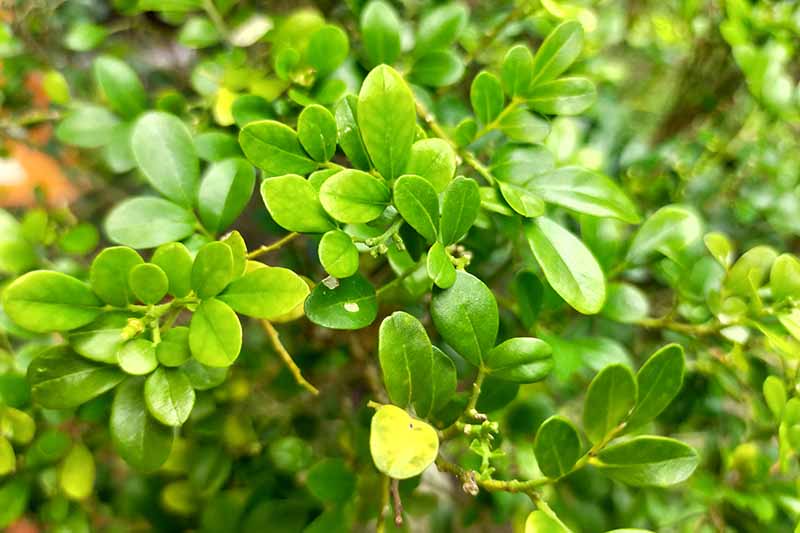
- Variegated Barberry: This shrub has bright yellow leaves with green edges. It is a fast-growing shrub that can reach up to 6 feet tall. It is tolerant of full sun and can be grown in USDA hardiness zones 4-8.

- Variegated Euonymus: This shrub has green leaves with white edges. It is a slow-growing shrub that can reach up to 6 feet tall. It is tolerant of full sun and can be grown in USDA hardiness zones 5-9.
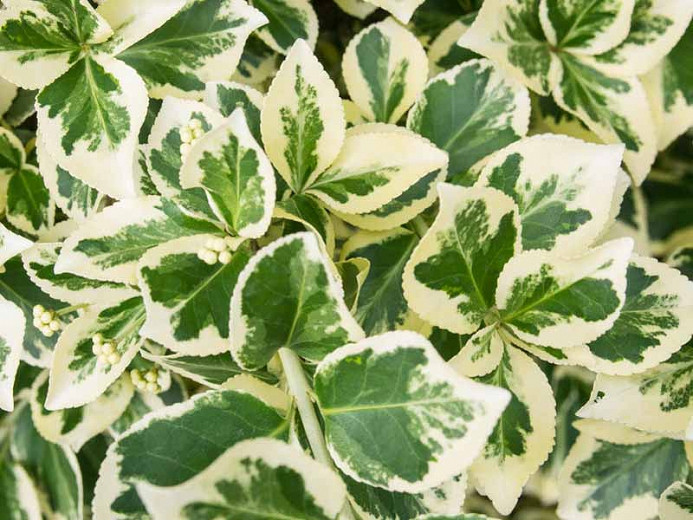
- Variegated Weigela: This shrub has pink or white flowers with green leaves. It is a fast-growing shrub that can reach up to 6 feet tall. It is tolerant of full sun and can be grown in USDA hardiness zones 4-9.
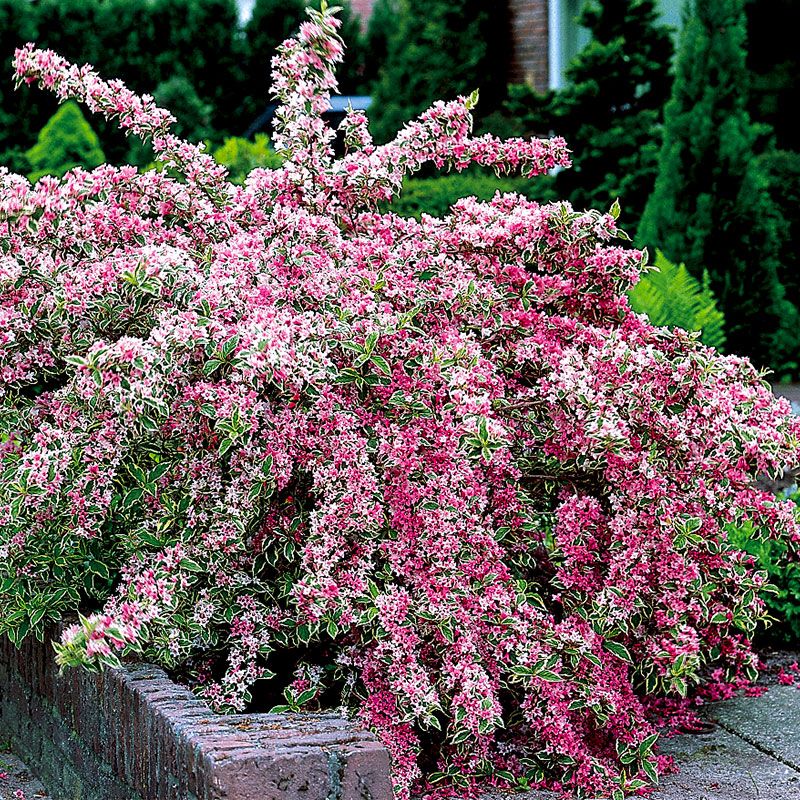
- Variegated Butterfly Bush: This shrub has purple flowers with green leaves. It is a fast-growing shrub that can reach up to 10 feet tall. It is tolerant of full sun and can be grown in USDA hardiness zones 5-9.
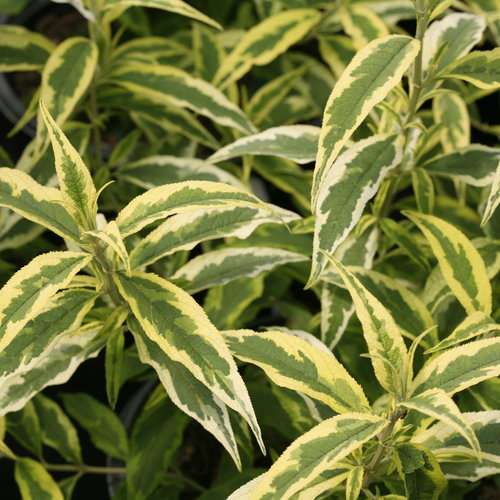

Post a Comment for "Variegated Shrubs: Add Color And Interest To Your Landscape"