Nearly Wild Rose: The Easytogrow Versatile Rose That Will Bloom All Summer
Title: Nearly Wild Rose: The Easy-to-Grow Versatile Rose That Will Bloom All Summer
Introduction:
Roses are a popular flower for gardens around the world. They come in a variety of colors, sizes, and shapes, and they can be grown in a variety of climates. One type of rose that is both easy to grow and versatile is the Nearly Wild Rose.
Nearly Wild Roses are a type of floribunda rose, which means that they produce clusters of flowers. They are typically 2-3 feet tall and wide, and they have dark green foliage. The flowers are single, meaning that they have only five petals. They are a light pink color, and they have a mild apple fragrance.
Nearly Wild Roses are a good choice for gardeners of all levels. They are easy to care for, and they are relatively resistant to pests and diseases. They also bloom all summer long, so you will enjoy their beautiful flowers for months.
Main Content:
- Planting and Care
Nearly Wild Roses are easy to plant. They prefer full sun, but they can tolerate some shade. They also prefer well-drained soil. When planting, amend the soil with compost or manure to improve drainage and fertility.
Nearly Wild Roses are not very demanding in terms of care. They need to be watered regularly, especially during hot, dry weather. They also need to be fertilized once a month during the growing season.
- Pests and Diseases
Nearly Wild Roses are relatively resistant to pests and diseases. However, they can be susceptible to black spot and powdery mildew. To prevent these diseases, water the plants at the base and avoid overhead watering. You can also spray the plants with a fungicide.
- Propagation
Nearly Wild Roses can be propagated by cuttings or by division. To propagate by cuttings, take a 6-inch cutting from a healthy plant in the spring or fall. Dip the cutting in rooting hormone and plant it in a pot of well-drained potting mix. Keep the soil moist, and the cutting should root in a few weeks.
To propagate by division, dig up a mature plant in the spring or fall. Use a sharp knife to divide the plant into two or three sections. Replant the divisions in their own pots or in the garden.
- Uses
Nearly Wild Roses are a versatile plant that can be used in a variety of ways. They can be grown in borders, beds, or containers. They are also a good choice for cut flowers.
Nearly Wild Roses are a beautiful and easy-to-grow plant that can add a touch of elegance to any garden. They are a good choice for gardeners of all levels, and they will provide you with years of enjoyment.
Conclusion:
Nearly Wild Roses are a beautiful and versatile rose that is easy to grow. They are a good choice for gardeners of all levels, and they will provide you with years of enjoyment. If you are looking for a rose that will bloom all summer long, then the Nearly Wild Rose is a great option.
I've learned a lot about nearly wild roses in my research. If you're interested in learning more, I recommend visiting Home Gardening. This website has a wealth of information about nearly wild roses, including their history, cultivation, and uses.
FAQ of nearly wild rose
Q: What is Nearly Wild Rose?
A: Nearly Wild Rose is a hybrid rose that was developed in the 1960s by Bernard Schwartz. It is a cross between Rosa rugosa and Rosa wichuraiana. Nearly Wild Rose is a hardy, easy-care rose that is resistant to disease. It blooms in early summer with clusters of fragrant, single pink roses.
Q: What are the benefits of growing Nearly Wild Rose?
A: Nearly Wild Rose has many benefits, including:
- It is a hardy and easy-care rose.
- It is resistant to disease.
- It blooms in early summer with clusters of fragrant, single pink roses.
- It is a good choice for pollinators.
- It can be used as a hedge or specimen plant.
Q: How do I grow Nearly Wild Rose?
A: Nearly Wild Rose is easy to grow. It prefers full sun and well-drained soil. It should be watered regularly, especially during the first year after planting. Nearly Wild Rose is not a heavy feeder, so it only needs to be fertilized once a year in the spring.
Q: How long does it take for Nearly Wild Rose to bloom?
A: Nearly Wild Rose typically blooms in early summer, about 2-3 years after planting.
Q: How do I care for Nearly Wild Rose after it blooms?
A: After Nearly Wild Rose blooms, you should deadhead the spent flowers. This will encourage the plant to produce more blooms. You should also fertilize the plant again in the fall.
Q: What are some common problems with Nearly Wild Rose?
A: The most common problems with Nearly Wild Rose are:
- Black spot: This is a fungal disease that can cause black spots on the leaves.
- Powdery mildew: This is a fungal disease that can cause a white powdery coating on the leaves.
- Aphids: These small insects can suck the sap from the leaves, causing them to wilt and curl.
Q: How do I treat common problems with Nearly Wild Rose?
A: You can treat common problems with Nearly Wild Rose with:
- Fungicides: These can be used to treat black spot and powdery mildew.
- Insecticides: These can be used to treat aphids.
- Neem oil: This is a natural insecticide that can be used to treat a variety of pests.
Image of nearly wild rose
- Rosa virginiana, the Virginia rose, is a native North American species with pink flowers.
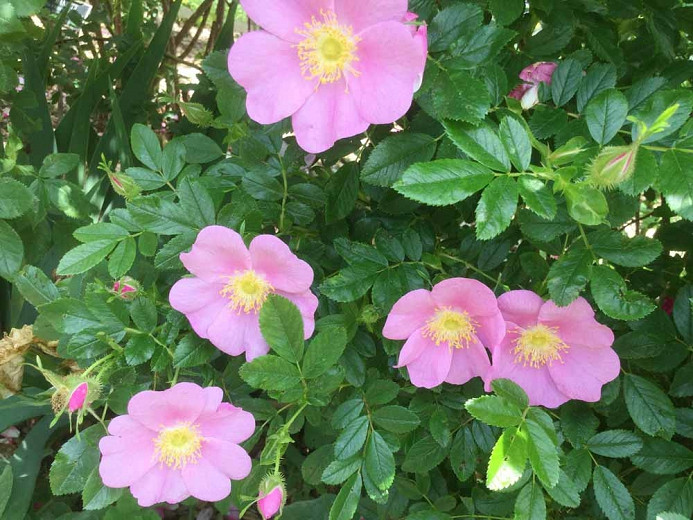
- Rosa canina, the dog rose, is a widespread European species with white flowers.

- Rosa rugosa, the rugosa rose, is an Asian species with orange-red flowers.

- Rosa pimpinellifolia, the pimpernel rose, is a European species with small pink flowers.

- Rosa multiflora, the multiflora rose, is an Asian species with small white flowers.
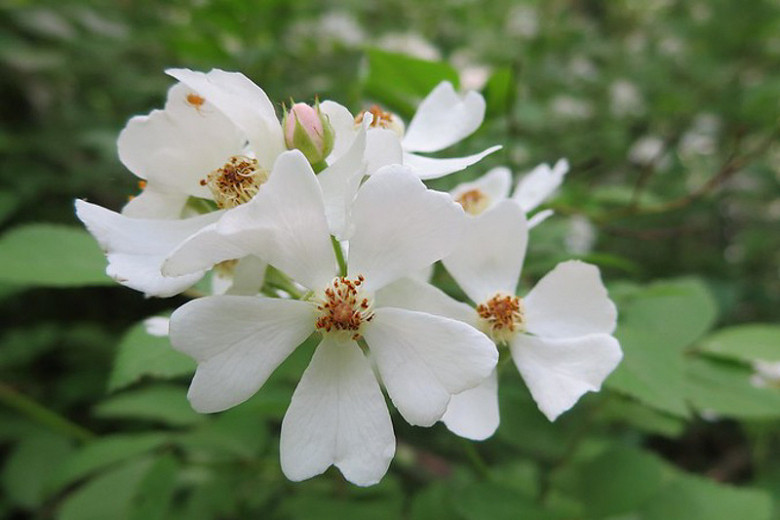
- Rosa arvensis, the field rose, is a European species with small pink flowers.

- Rosa tomentosa, the downy rose, is a European species with white flowers.
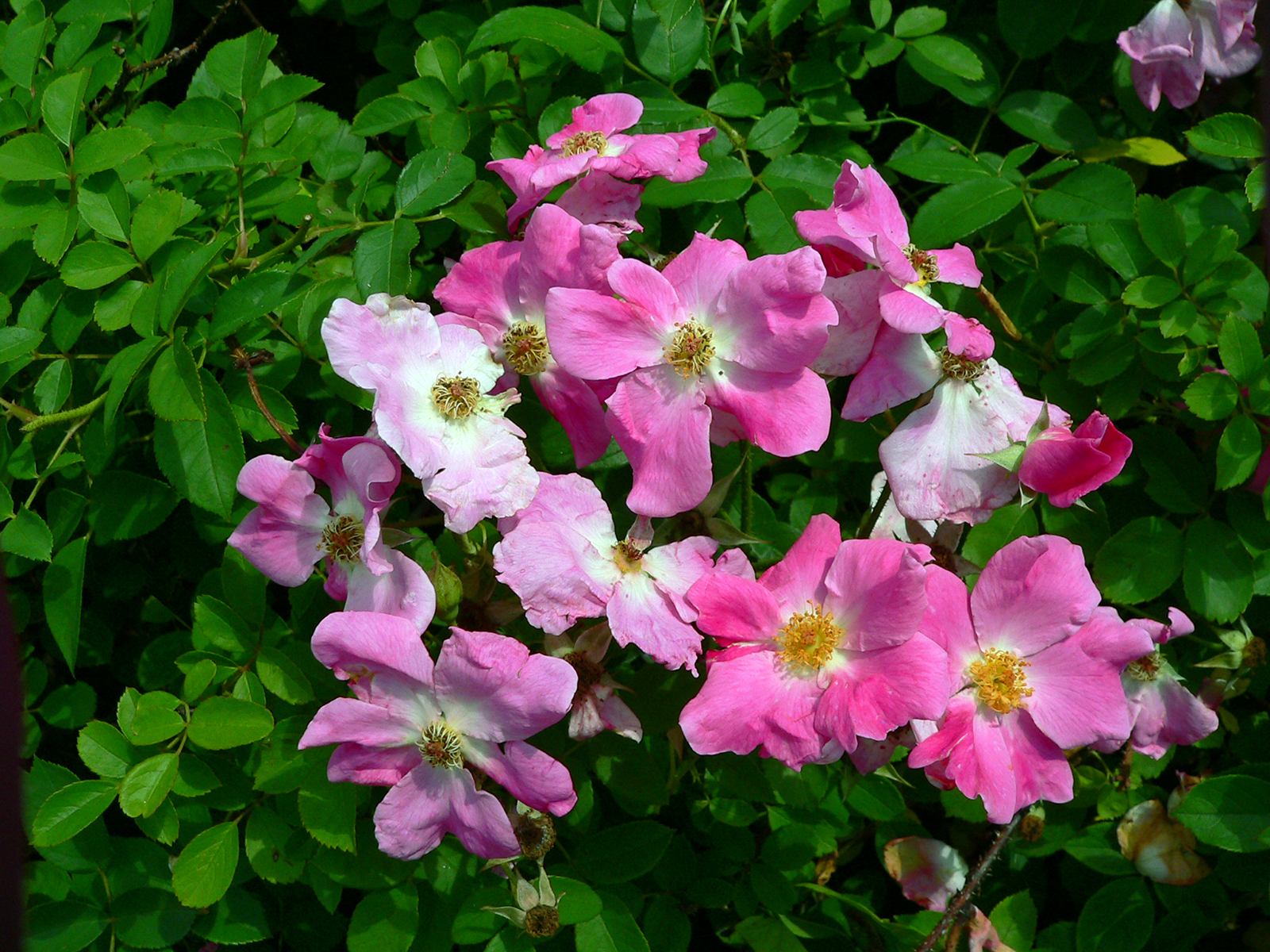
- Rosa moschata, the musk rose, is a European species with large, fragrant pink flowers.
- Rosa gallica, the French rose, is a European species with large, deep pink flowers.
/assets/plants/plant_16262/plant_16262_shoot_20131026200752.jpg)
- Rosa centifolia, the cabbage rose, is a European species with large, double pink flowers.
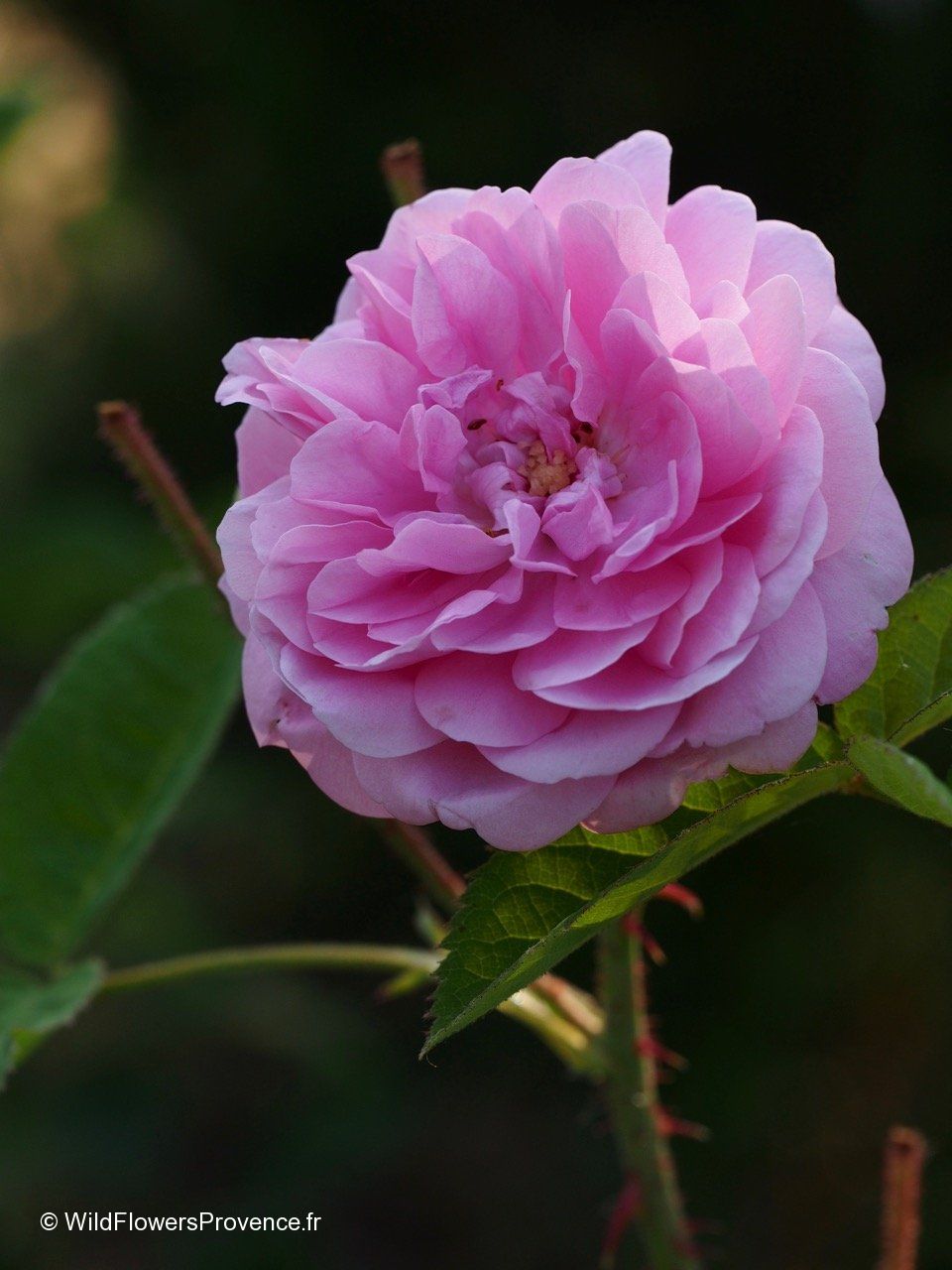

Post a Comment for "Nearly Wild Rose: The Easytogrow Versatile Rose That Will Bloom All Summer"