Hydrangeas: The Flower That Can Change Color
Hydrangeas are one of the most popular flowering shrubs in the world, known for their large, showy blooms that can range in color from blue to pink to purple. But did you know that hydrangeas can actually change color? That's right, the color of hydrangea flowers is determined by the pH of the soil in which they are planted.
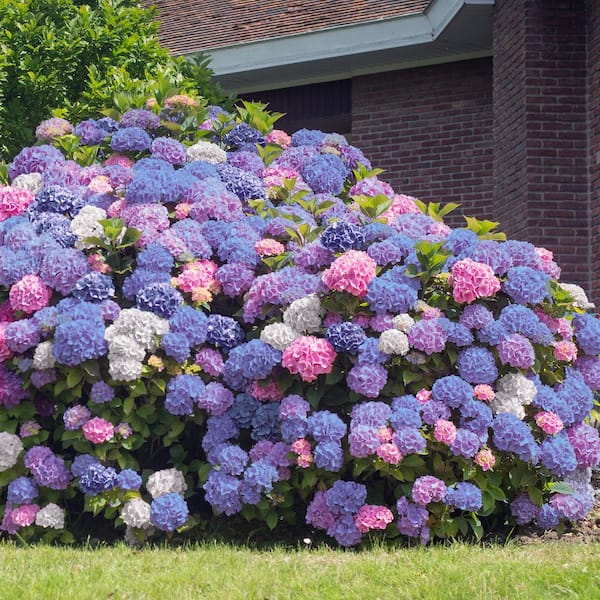
In acidic soil (pH below 7), hydrangeas will produce blue flowers. In alkaline soil (pH above 7), hydrangeas will produce pink flowers. And in neutral soil (pH 7), hydrangeas will produce flowers that are somewhere in between blue and pink.
The reason for this color change is due to the presence of aluminum in the soil. In acidic soil, aluminum is more soluble and can be absorbed by the hydrangea plant. When aluminum is present in the plant, it reacts with anthocyanins, which are pigments that give hydrangeas their color. The resulting reaction produces blue hydrangea flowers.
In alkaline soil, aluminum is less soluble and cannot be absorbed by the hydrangea plant. As a result, the anthocyanins in the plant are not able to react with aluminum, and the hydrangea flowers will appear pink.
The amount of aluminum in the soil can also affect the intensity of the hydrangea flower color. In soils with high levels of aluminum, hydrangea flowers will be a deeper blue. In soils with low levels of aluminum, hydrangea flowers will be a lighter blue or pink.
If you want to change the color of your hydrangea flowers, you can adjust the pH of the soil in which they are planted. To make your hydrangeas blue, you can add aluminum sulfate to the soil. To make your hydrangeas pink, you can add lime to the soil.
It's important to note that it may take several weeks or even months for the color of your hydrangea flowers to change. This is because the plant needs time to absorb the aluminum or lime and for the anthocyanins to react.
With a little patience and care, you can enjoy hydrangea flowers in your garden in any color you choose.
[Main Content]
In addition to the pH of the soil, the color of hydrangea flowers can also be affected by other factors, such as the amount of sunlight they receive and the amount of fertilizer they are given.
Hydrangeas that receive more sunlight will tend to produce bluer flowers, while hydrangeas that receive less sunlight will tend to produce pinker flowers. This is because sunlight helps to break down the aluminum in the soil, making it less available to the hydrangea plant.
The amount of fertilizer that hydrangeas receive can also affect their flower color. Too much fertilizer can cause hydrangeas to produce pinker flowers. This is because fertilizer can increase the pH of the soil, making it less acidic.
If you want to ensure that your hydrangeas produce blue flowers, it's important to plant them in a location that receives full sun and to fertilize them sparingly. You may also want to add aluminum sulfate to the soil every few years.
If you prefer pink hydrangeas, you can plant them in a location that receives partial shade or to fertilize them more regularly. You may also want to add lime to the soil every few years.
No matter what color hydrangeas you prefer, it's important to care for them properly in order to enjoy their beautiful blooms for many years to come.
[Conclusion]
Hydrangeas are a versatile and beautiful addition to any garden. With a little knowledge about how to change their color, you can enjoy hydrangeas in your garden in any color you choose.
So next time you're looking for a colorful plant for your garden, consider hydrangeas. You won't be disappointed.
Hydrangeas are beautiful flowers that come in a variety of colors, from white to pink to blue. They are a popular choice for gardens and landscaping, and they can also be grown indoors as houseplants. If you are interested in learning more about hydrangeas, I recommend visiting . This website has a wealth of information on hydrangeas, including how to choose the right variety for your climate, how to plant and care for hydrangeas, and how to prevent common problems.
In addition to its informative articles, also has a beautiful photo gallery of hydrangeas. You can browse the gallery to see different varieties of hydrangeas in bloom, and you can also use the gallery to get inspiration for your own garden.
I hope you will visit to learn more about hydrangeas.
FAQ of hydrangees
Here are the 5 most frequently asked questions about hydrangeas, along with their answers:
1. What are the 3 most important things to know about hydrangea care?
- Hydrangeas need moist, well-drained soil.
- They prefer dappled shade, but can tolerate full sun in cooler climates.
- The color of their flowers depends on the pH of the soil.
2. How do I make my hydrangeas bloom blue?
To make your hydrangeas bloom blue, you need to lower the pH of the soil. You can do this by adding elemental sulfur to the soil. The amount of sulfur you need to add will depend on the current pH of your soil.
3. Why are my hydrangea leaves turning brown?
There are a few reasons why your hydrangea leaves might be turning brown. One possibility is that the plant is not getting enough water. Another possibility is that the plant is getting too much sun. Finally, the leaves could be turning brown due to a disease or pest infestation.
4. How do I prune hydrangeas?
Hydrangeas should be pruned in the spring, before the plant starts to bloom. You can prune the plant back to about half its size. This will encourage new growth and more flowers.
5. How do I overwinter hydrangeas?
In colder climates, hydrangeas may need to be protected from the cold during the winter. You can do this by covering the plant with a burlap sack or other protective material. You may also need to water the plant more frequently during the winter months.
Image of hydrangees
5 different images of hydrangeas from Pinterest:
- A bouquet of white hydrangeas with pink roses.

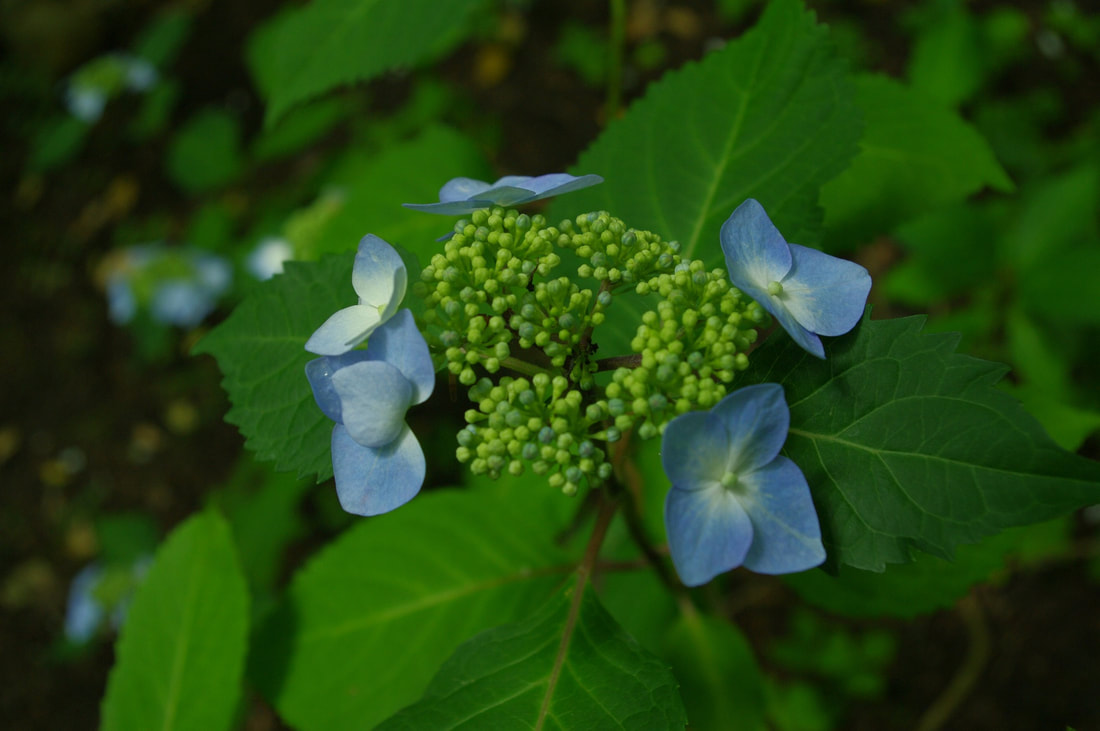
- A large blue hydrangea bush in full bloom.

- A group of pink and white hydrangeas in a vase.

- A single hydrangea flower with its petals cascading down.
- A hydrangea plant in a garden with its flowers in different shades of pink and blue.

Post a Comment for "Hydrangeas: The Flower That Can Change Color"